

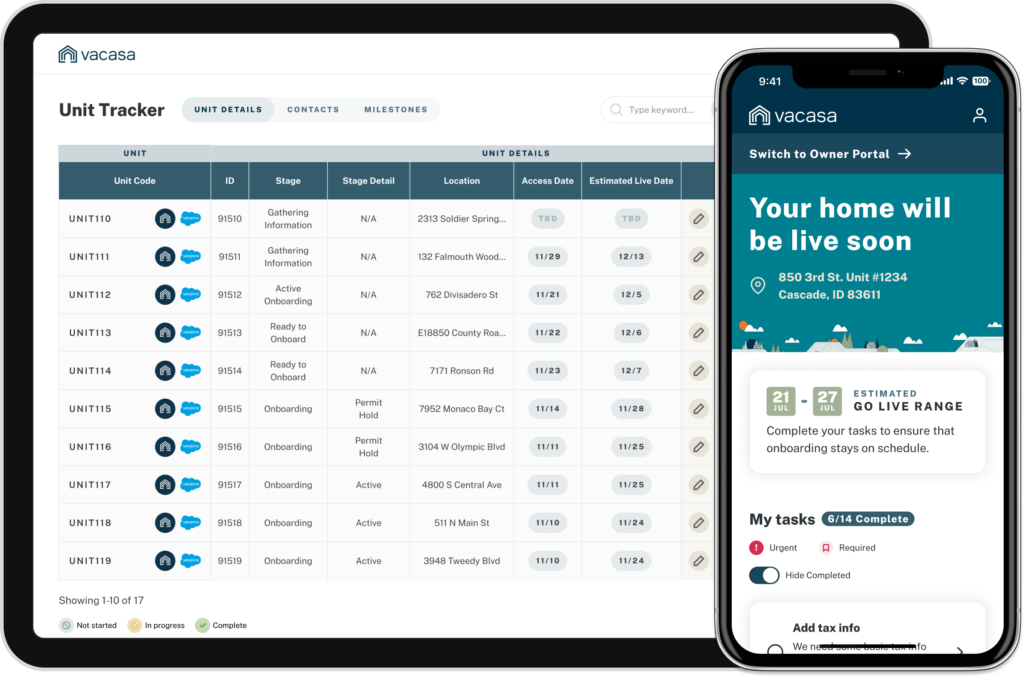
Delivered an onboarding experience for short-term rental homeowners that reduced unit time to live by 50%, increased operational efficiencies and improved CSAT, SUS, and CES.
Year
2022-2024
Role
Jump to section: Background | Onboarding Hub | Homeowner Wizard | Results
5-star reviews
Vacasa homes
U.S. states

to set a home live
At Vacasa, onboarding is defined as the timeframe after an owner signs a contract with Vacasa until the home is listed on Vacasa.com and partner channels. During this phase the unit listing is built, rates are set, and on-site activities are performed to prepare the home for guests. For owners, this period represents a first impression of how Vacasa will manage their home, therefore establishing trust and good communication is essential.
When I joined this initiative, the onboarding process was messy. It took over 30 days to get a home live, relied heavily on manual work and email, and homeowners had almost no visibility into what was happening. This created a negative first impression and delayed revenue for both the homeowner and Vacasa.
Ultimately our product team landed on a strategy to create two complementary products: a powerful operational tool for coordinators on the back stage, and a consumer-grade experience for owners on the front stage. Both would share the same data and status, creating one source of truth.
Onboarding Hub
Homeowner Wizard
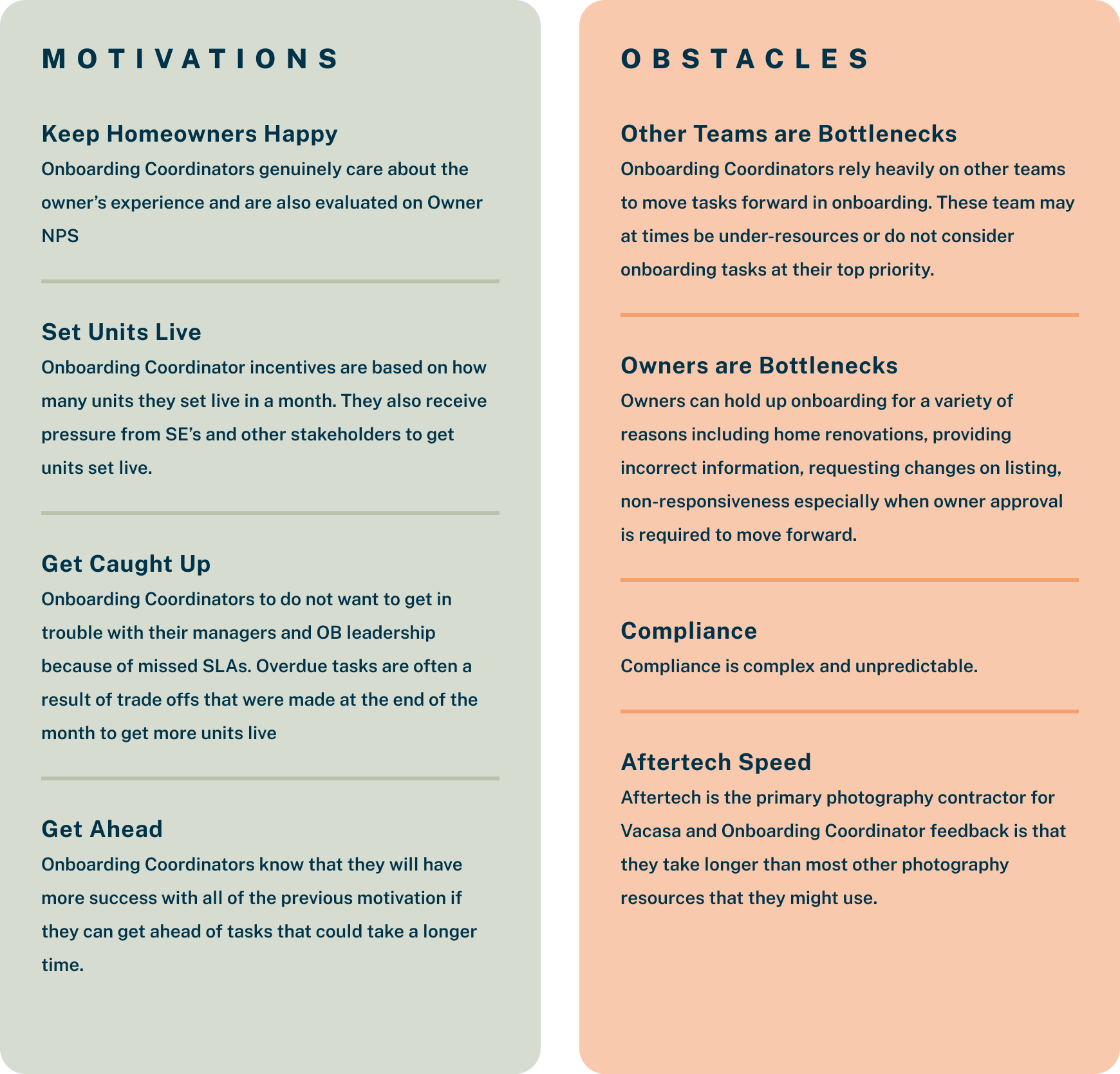
To understand the existing process, along with the motivations and obstacles that our onboarding team was facing, I conducted interviews with 5 onboarding coordinators, 4 onboarding managers, 1 sales executive, and 3 local operations managers.
We also learned that the team was required to maintain a spreadsheet with the status of their units. This was a fully manual process and each coordinator spent about 5 hours per week just updating the spreadsheet.
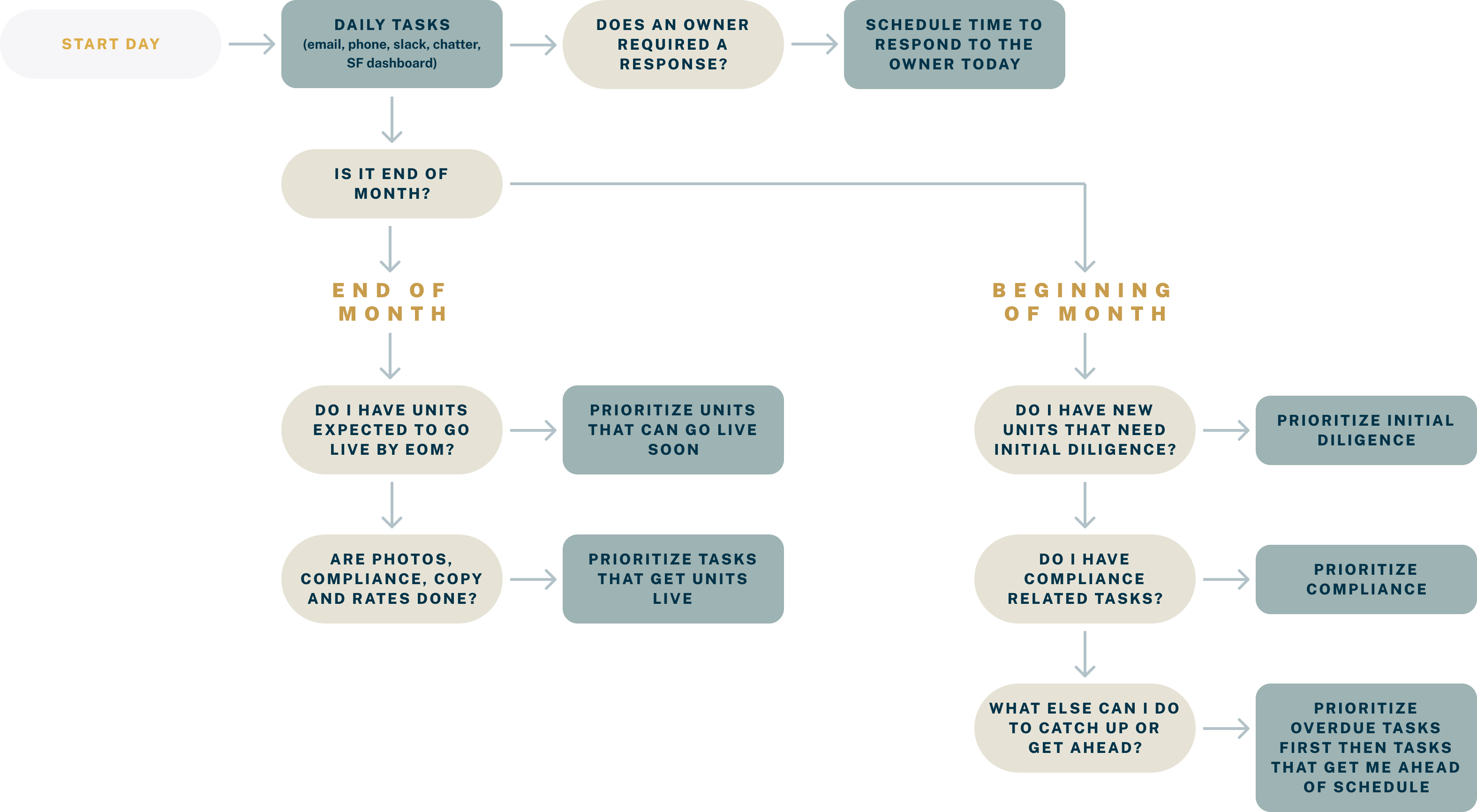
In addition to interviews, I ran a diary study to understand how onboarding coordinators decide what to do next, including how they prioritize their units and tasks, who they need to talk to, and what obstacles prevent units from moving forward in onboarding.
Since onboarding coordinators were evaluated based on how many homes they set live each month, the two week timeframe intentionally included a week at the end and beginning of the month so that we could compare how prioritization differed.
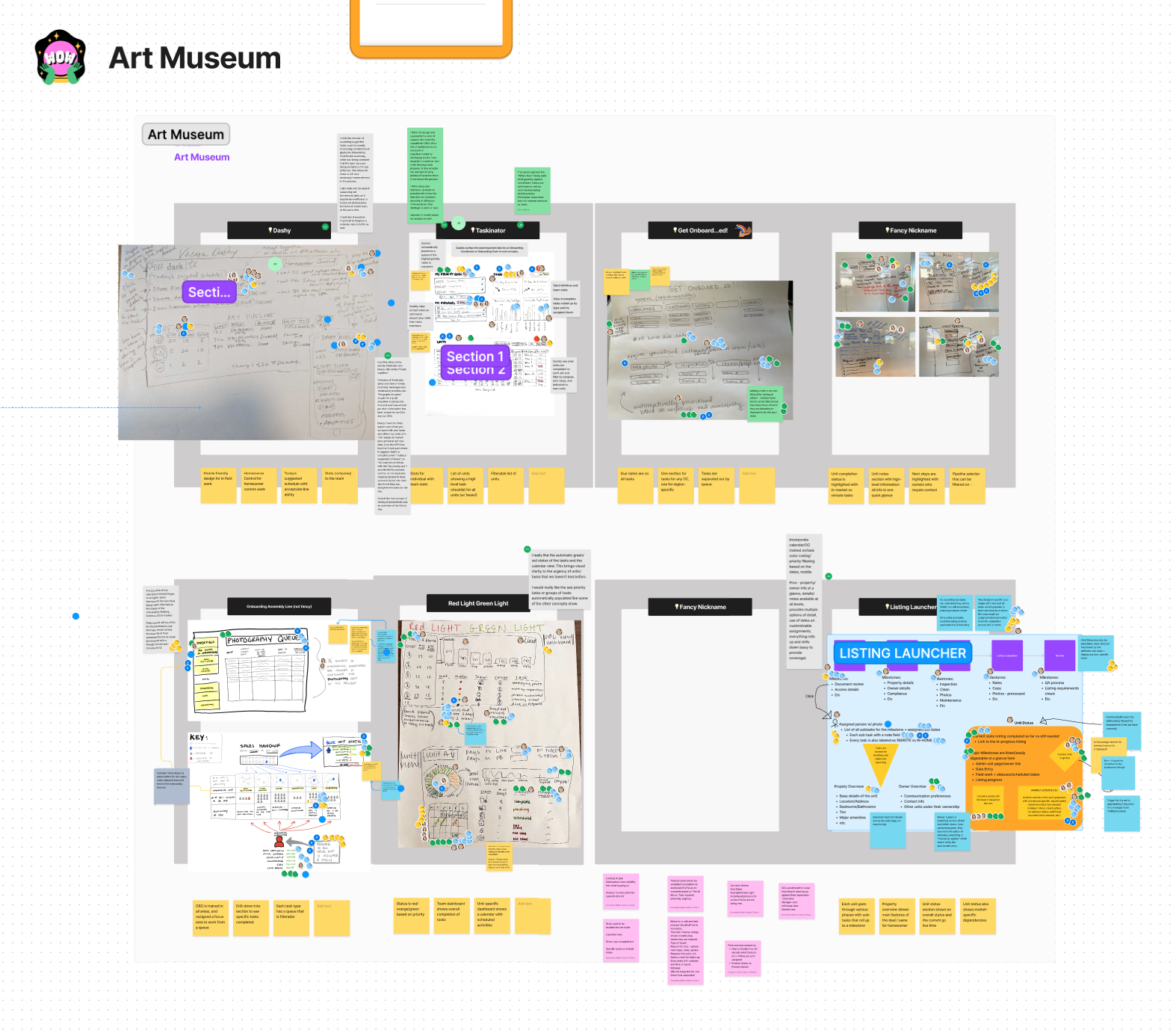
User tasks:
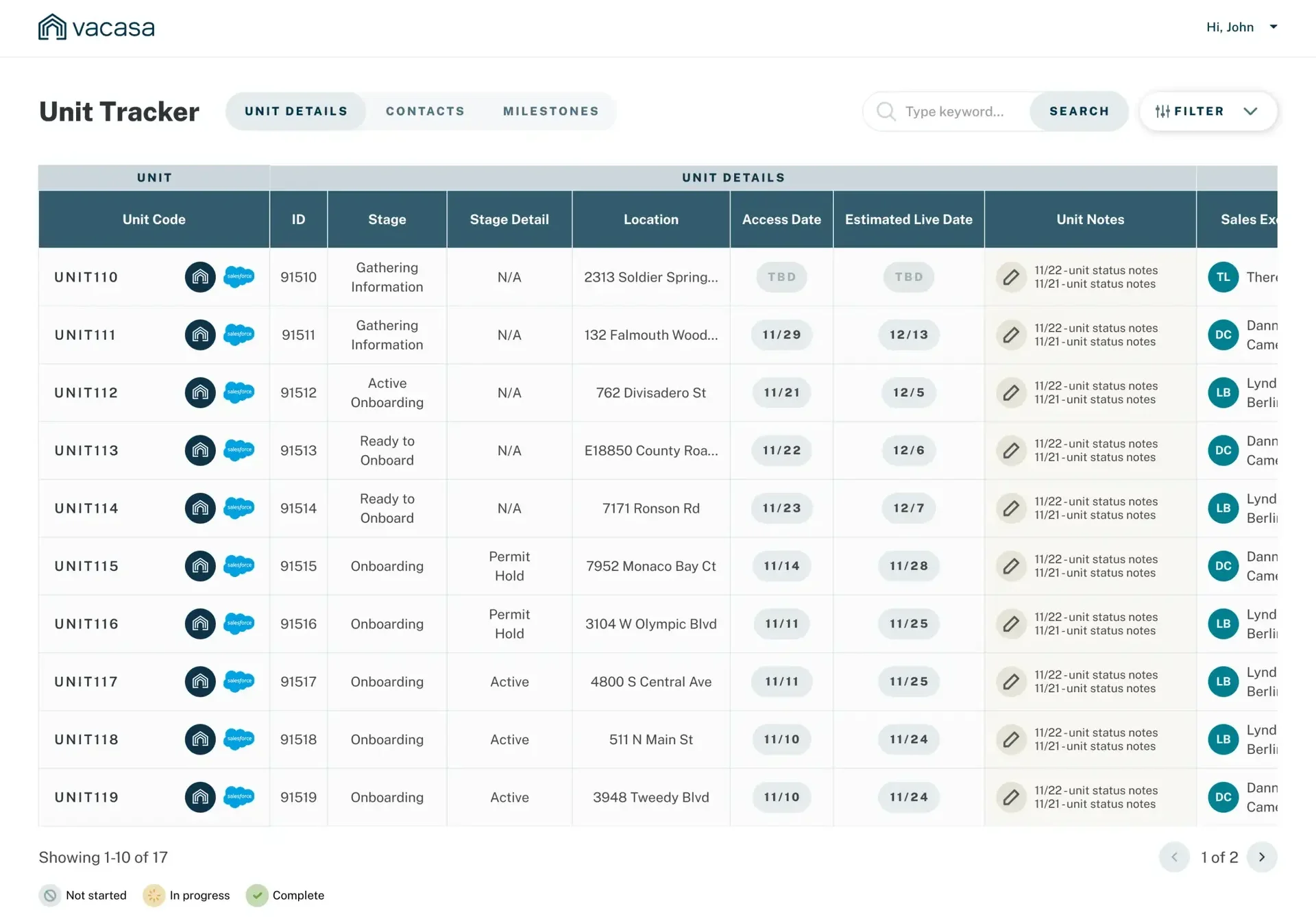
Be able to quickly understand and communicate relevant information about each unit including unit info including important dates, milestone statuses, and bottlenecks.
Solution:
At a glance information like access date, estimated live date, unit notes and milestone statuses. Quick links to important information about the unit like it’s corresponding Salesforce stage, Vacasa.com listing, and onboarding tickets.
User task: Know the most up to date statuses for a unit. Coordinate with other teams to ensure timely completion of onboarding tasks.
Solution: Ability to add notes about a unit and schedule dates for on-site activities. Quick access to contact information for Vacasa team members assigned to a unit.
User tasks: Identify which units and work are critical to prioritize each day.
Solution: Ability to filter by estimated live date in combination with milestone statuses.
Our team decided that our top priority for this first iteration was to remove the need for the onboarding team to manually update their existing spreadsheet. We knew this would have the most immediate impact on their time but it meant we had to push out other ideas and requests we were excited for.
Ideas for future iterations:
Dashboard with aggregated data around unit statuses
Integration with ticketing system to streamline workflows
Better flagging of at-risk milestones
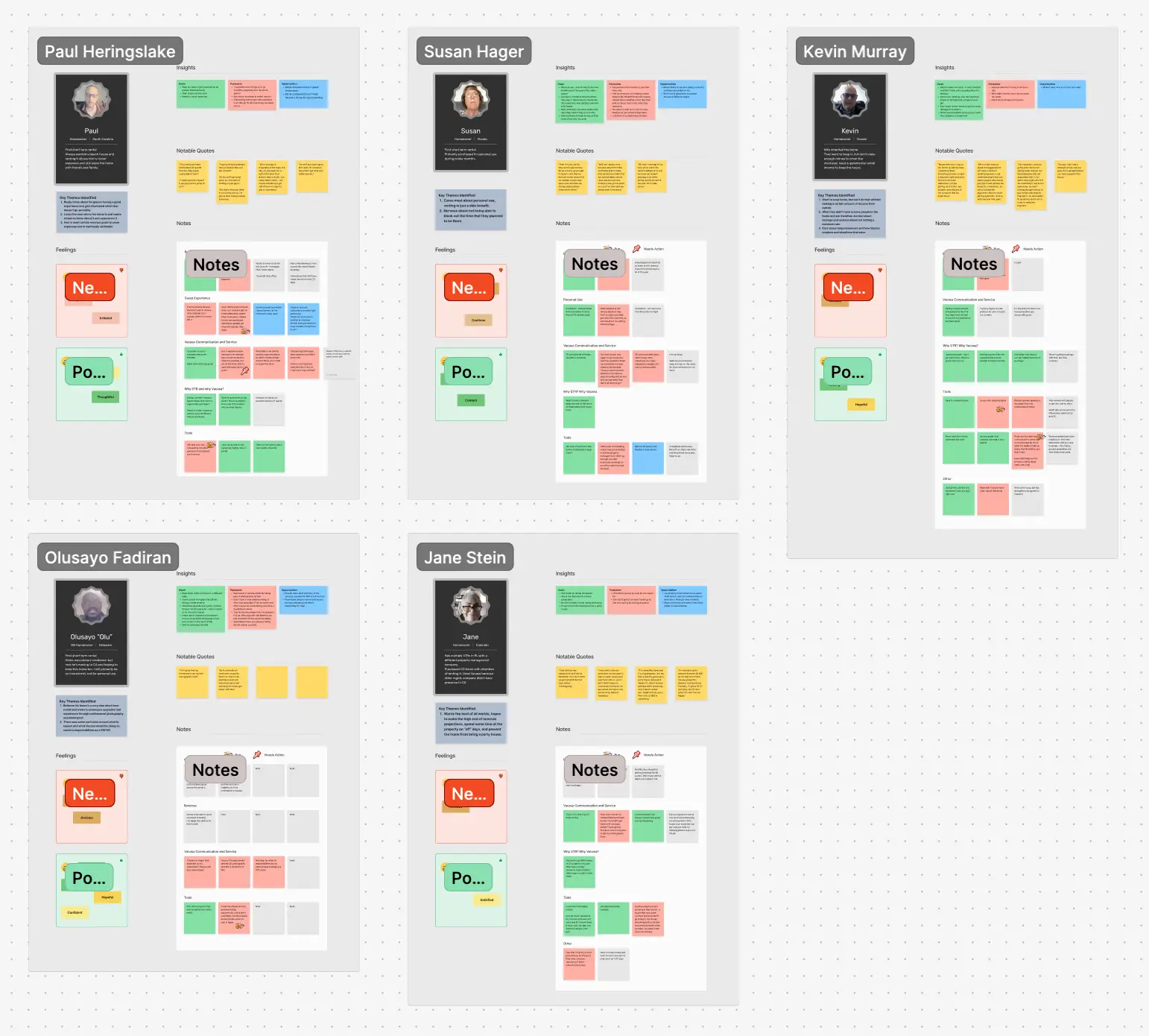
To understand the first hand sentiments of homeowners, I interviewed five homeowners who had recently onboarded a home with Vacasa.
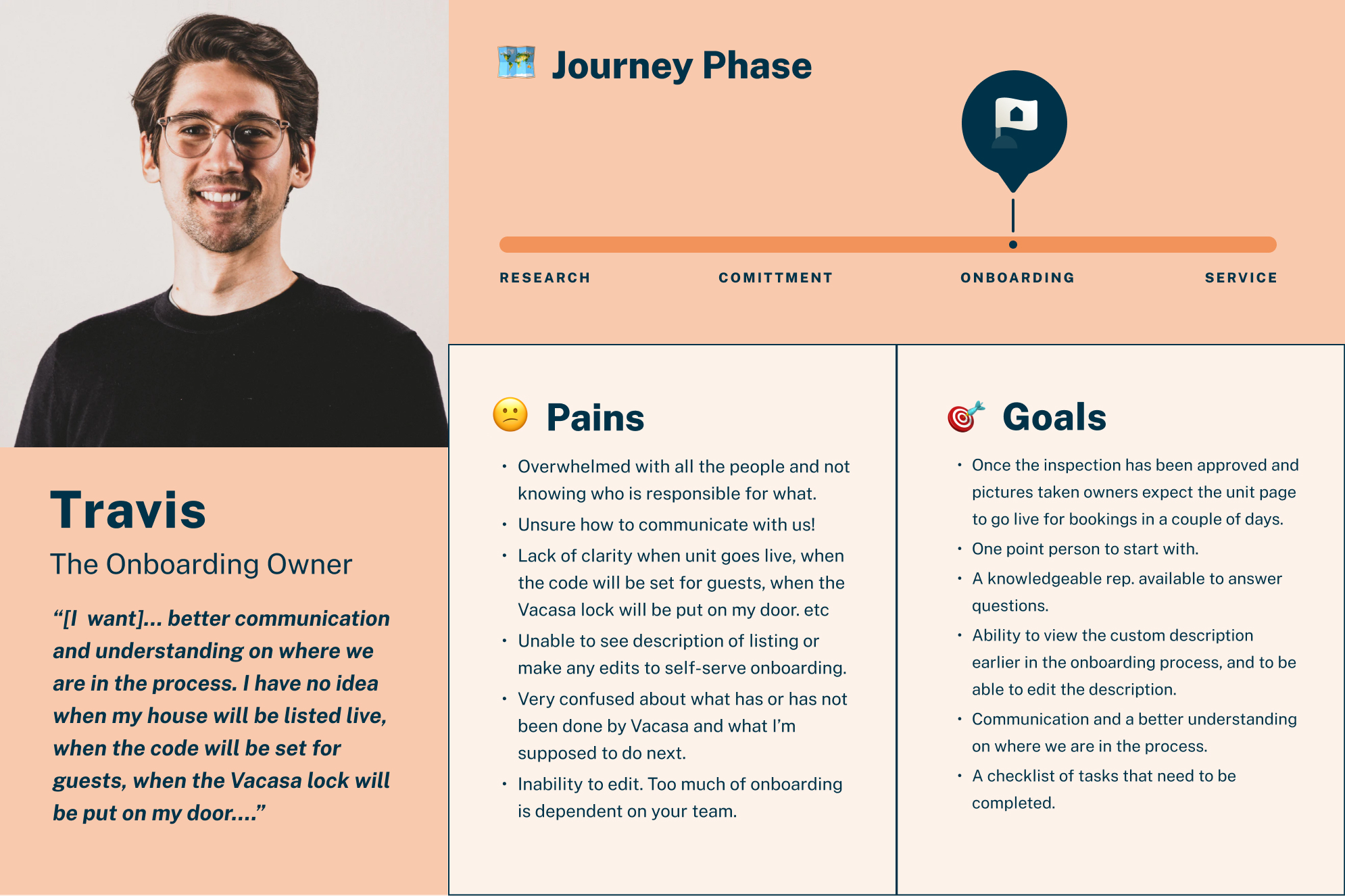
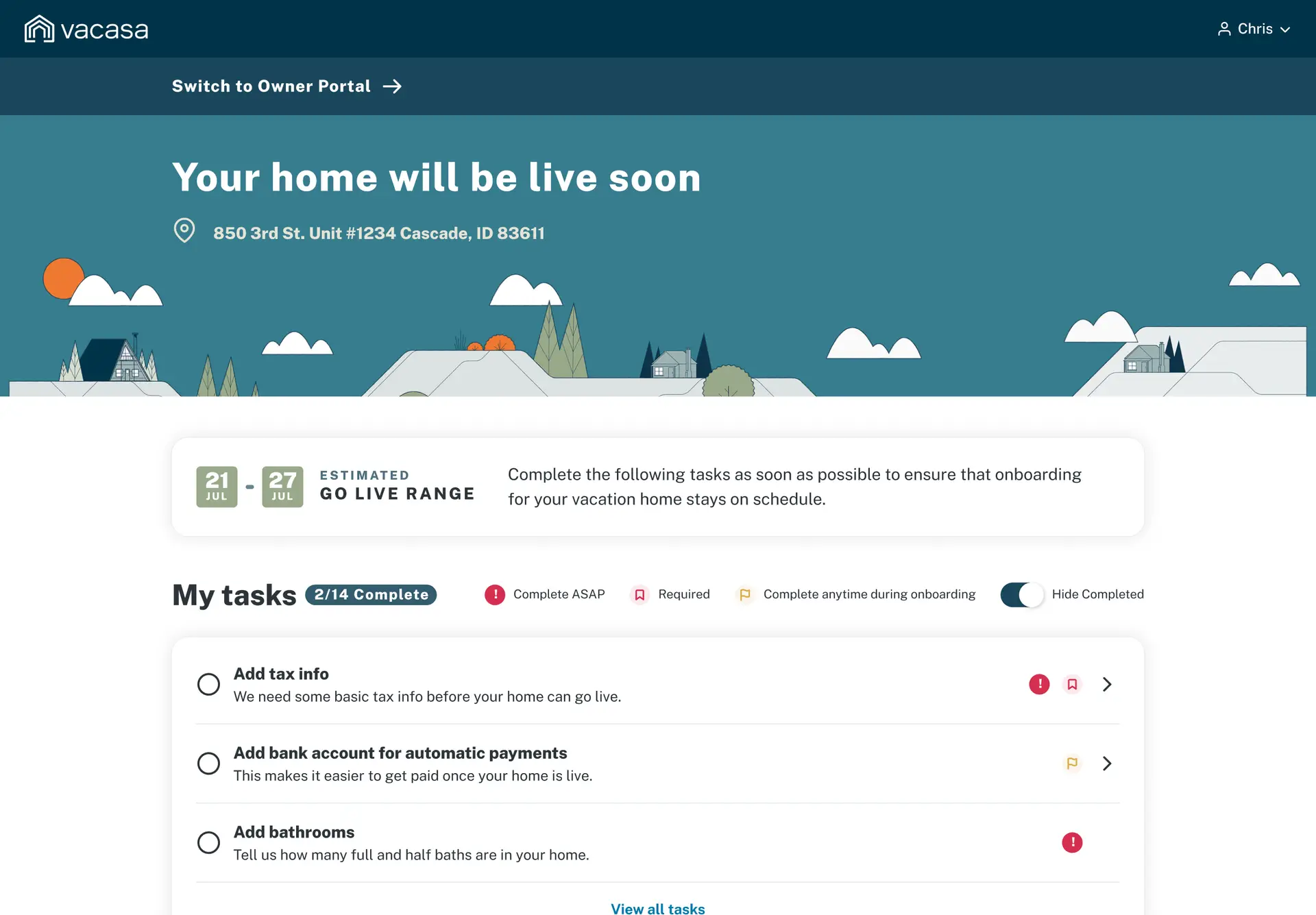
User task: Know when their home is expected to be live on Vacasa.com and ready to welcome guests.
Solution: Estimated go live date range is front and center. Ability to see updates on onboarding tasks that the Vacasa team owns.
User task: Add information about their home that is needed to create the listing, set rates, or prepare the home to welcome guests.
Solution: Ability to quickly see what tasks still need to be completed and take immediate action.
User task: Have an understanding of what timelines and outcomes to expect during onboarding and in the first 90 days of their home being managed by Vacasa.
Solution: Home listing can be previewed once the copy is written and rates are set. Revenue performance scenarios specific to the unit are shared along with information about what to expect in the first 90 days.
Our top priority in this first iteration of the Homeowner Wizard was to provide homeowners with better visibility and to give them opportunities to self-serve. We accomplished this to some degree but felt like there were still ways that we could significantly improve the user experience around both of these goals.
Ideas for future iterations:
Provide a specific “Go Live” date rather than a range
The average days from the time an owner signed a contract until their home was listed on Vacasa.com and ready to receive guests went from 30 days to 15 days.
We estimated that across a team of about 100 onboarding coordinators, they gained back 2000 hours per month by removing manual spreadsheet updates.